COMPASSION AND HEALTH CARE. WHO IS THE FATHER OF COMPASSION?
SPIRITUALITY SCIENCE. COMPASSION CANNOT BE RECRUITED

Spirituality Science. Compassion cannot be recruited. Love, Compassion, and Forgiveness demand the God Connection, the connection to the original source of Love, Compassion, and Forgiveness.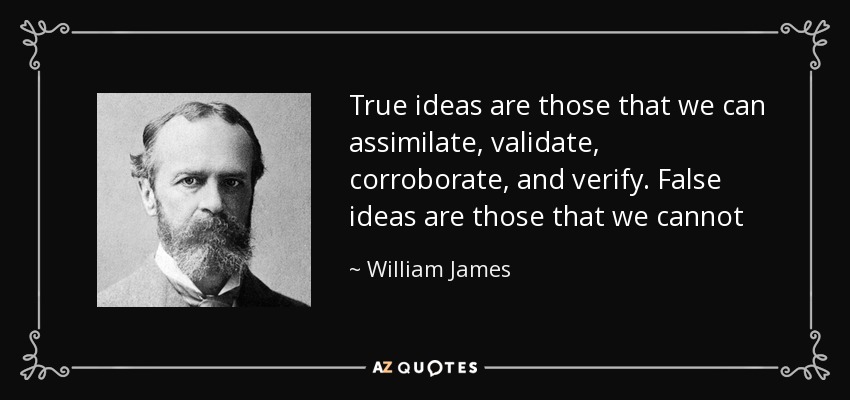
There are two basic problems with the current medical education and health care policy that formulates the delivery of medical services to people. Medical Science has not yet defined the meaning of the term called man. "What is Man?" Without answering that question, we will not be able to answer the question, "What is Health?"
Unlike His Holiness the Dalai Lama, I recognize the man as a created being. I speak about compassion after identifying the source of the behavioral response identified as compassionate care.
The natural healing mechanism called Repair and Inflammation is a divine gift and it guides me to reflect upon Providence or Divine Mercy, Grace, and Compassion that formulates human existence both in good health as well as ill-health.
Spirituality Science. Compassion cannot be recruited. Dr. William James, Father of Psychology defines 'True Ideas'.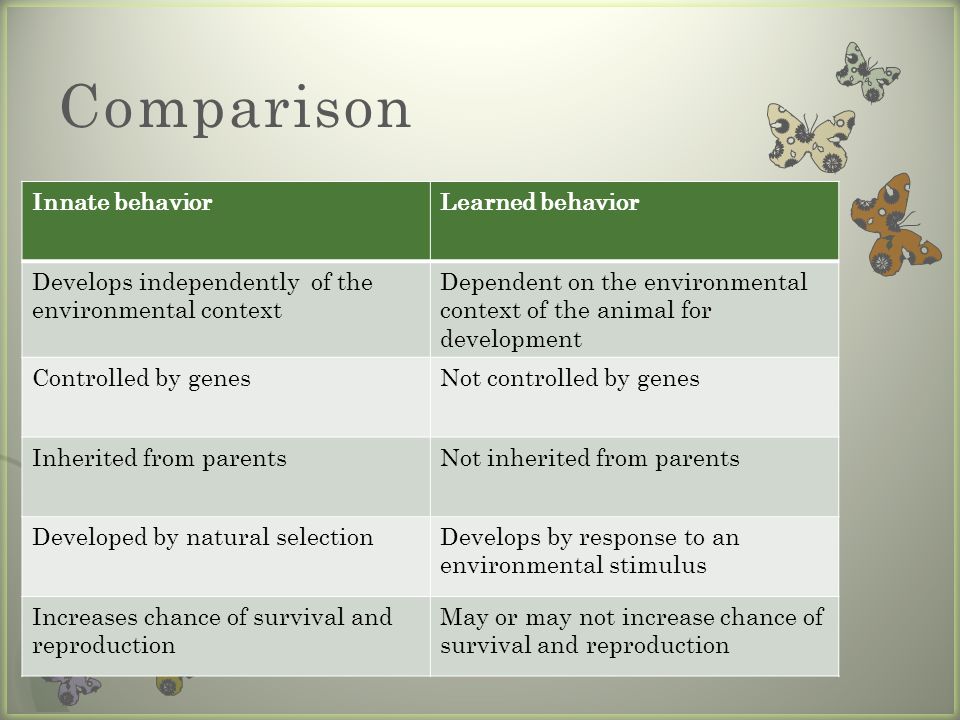
I cannot validate, I cannot verify, I cannot corroborate, and I cannot assimilate the ideas shared by Gyatso Tenzin, the 14th Dalai Lama, and Dr. Ralph Snyderman, the "Father of Personalized Medicine" on compassion and its role in health care. Their basic assumptions about compassion are fundamentally flawed for the following reasons:
1. Compassion is neither a desire nor an emotion. The acts or behavioral response called compassion does not involve thoughts or thinking process.
Spirituality Science. Compassion cannot be recruited. Compassion is neither Acquired nor Learned Behavior.
2. Compassion cannot be recruited and it cannot be imparted or acquired through the learning process or educational experience.
3. The existence of man as well as that of all living things at all stages of their existence at any given time or place is dependent upon the Divine Providence which is the original source of compassion. The experience called compassion is dependent upon 'God Connection' for the man's Existence always precedes his Essence.
4. The primary role of a Physician is that of promoting good and positive health. The medical interventions are of secondary importance.
Rudra Narasimham Rebbapragada
Bhavanajagat.org
https://bhavanajagat.com/2010/05/20/philosophy-of-medicine/
Recruiting The Dalai Lama To Bring Compassion Back Into Medicine
By DANA TERRY & FRANK STASIO • AUG 9, 2019

- Spirituality Science. Compassion cannot be recruited. Compassion is neither acquired nor learned behavior.
-
COURTESY OF RALPH SNYDERMAN
Ralph Snyderman is known as “The Father of Personalized Medicine.” He used to oversee the selection of medical students at Duke University in his role as chancellor for health affairs at Duke University and Dean of the Duke School of Medicine. He focused on admitting students who showed a clear desire for empathy and to serve the needs of others.
Host Frank Stasio talks with Ralph Snyderman, Dean of the Duke School of Medicine, about the importance of empathy in medicine and the insight he gained from his meeting with the Dalai Lama.
But he realized compassionate care is difficult to achieve in the current health system in the United States because of a variety of factors. Snyderman now directs the Duke Center for Personalized Health Care. His mission is to create more personalized and compassionate ways of delivering medicine. Earlier this year he published a conversation he had with the 14th Dalai Lama about how to foster that change. The revelations from that conversation became a manuscript entitled "Compassion and Health Care: A Conversation with the Dalai Lama" recently published in the medical journal "Academic Medicine."
Host Frank Stasio talks to Snyderman about the importance of empathy in medicine, what the Dalai Lama had to say on the subject and what changes he hopes to see in medical care.
Compassion and Health Care
A Discussion With the Dalai Lama
Snyderman, Ralph MD; Gyatso, Tenzin the 14th Dalai Lama
Academic Medicine: August 2019 - Volume 94 - Issue 8 - p 1068–1070doi: 10.1097/ACM.0000000000002709The calling to be a physician has historically been driven by compassion—that is, the desire to relieve the suffering of others. However, the current health care delivery system in the United States has increasingly limited the ability of physicians to express compassion as they are afforded little time for meaningful interaction with their patients. One of the authors (R.S.) draws on his current focus on developing personalized, proactive, and patient-driven models of care to argue that patient engagement plays a critical role in achieving favorable outcomes. Believing that compassion is key for establishing the physician-patient relationship needed to foster patient engagement, R.S. sought the advice of one of the world’s most recognized thought leaders on this topic, His Holiness the 14th Dalai Lama. This Invited Commentary describes the meeting between the two authors, the Dalai Lama’s thoughts about compassion, and his challenge to bring attention to the importance of compassion in medical education, practice, and research.
Compassion is an emotion and a commitment to engage with, understand, and mitigate another’s suffering.1 The Association of American Medical Colleges (AAMC) has articulated 15 core competencies expected of entering medical students, the first of which—Service Orientation—is defined as follows: “Demonstrates a desire to help others and sensitivity to others’ needs and feelings; demonstrates a desire to alleviate others’ distress; recognizes and acts on his/her responsibilities in society….”2 As a former medical school dean, I (R.S.) can attest that each student entering Duke University School of Medicine not only possesses outstanding academic credentials but also demonstrates compassion to serve the needs of others. “To cure when possible, to care always” is an adage that virtually all physicians learn while training. Yet, as students become physicians, equipped with the knowledge and tools to understand and treat human disease, their desire and ability to deliver care with compassion become increasingly challenged by a bureaucratic delivery system focused on volume, leaving little time for meaningful engagement with patients. Such engagement is essential, especially for effective care of complex chronic diseases where physicians must understand their patients’ capabilities and needs. Equally important, patients must be engaged to embrace difficult behavioral changes best nurtured by their trusted providers.3 In my view, the lack of compassionate engagement between physicians and patients not only limits the satisfaction of both, but it also fosters in the effective treatment of complex chronic diseases. Restoring the historic caring bond between physician and patient in our increasingly technical and fragmented health care system should be amongst the highest priorities for a more effective, fulfilling, and cost-effective practice of medicine.
I believe health care approaches designed to foster compassion will be more cost-effective, especially for treating chronic diseases, many of which are preventable, and for which patient engagement is a critical component of success.4,5 As director of the Duke Center for Personalized Health Care, I have witnessed that patients are more motivated and committed when they experience a close relationship with a caring provider. Understanding this, the center is developing cost-effective care models that engage patients with their physicians to identify their health risks, develop shared goals and strategies to meet their goals, coordinate care, and track progress. In addition to the best available therapeutics, this model emphasizes the need for a compassionate setting to help patients realize why their health is so important to them and what they are willing to do to enhance it. Mindfulness meditation and group interactions with other patients help to achieve this awareness. This approach is currently being piloted in different clinical settings including the Veterans Health Administration and federally qualified health center.5
An Audience With the Dalai Lama
Believing in the intrinsic well of compassion within physicians, the value it plays in their sense of satisfaction, and the effectiveness it can bring to care, I sought to learn more about this emotion and how to facilitate it from perhaps the world’s deepest thinker in this field, His Holiness the 14th Dalai Lama. While the spiritual leader of Tibetan Buddhists is amongst the world’s most respected and revered religious figures, His Holiness is also highly pragmatic and believes that good science can inform and potentially outweigh religious beliefs. He has encouraged the engagement of Buddhist leaders and Western scientists to better understand consciousness and compassion. With this objective, the Mind & Life Institute (https://www.mindandlife.org) was established in the United States in 1987 to foster such dialogues. I first met the Dalai Lama in Washington, D.C., at the 2005 Mind & Life XIII meeting titled “Investigating the Mind: The Science and Clinical Applications of Meditation.” At that time, I had the opportunity to engage in a conversation with His Holiness in front of an audience of over 5,000 people where we discussed evolving concepts of personalized health care.
To reengage in a discussion of compassion and health care, I reached out to Tenzin Taklha, Secretary to His Holiness, who graciously granted an audience with the Dalai Lama for me and my wife, Renée. On April 30, 2018, we had the honor of spending an hour with His Holiness at his offices in Dharamshala, India. This visit provided a great practical understanding of the power of compassion to enhance one’s happiness and effectiveness and the need for the emotion to be strengthened through education and practice. Importantly, it identified opportunities to improve health care through a greater focus on compassion as a self-reinforcing driver of physician-patient engagement.
Much of our early conversation centered on the Dalai Lama’s insights regarding the importance of compassion for individuals and the world. He indicated that while his foundational belief about compassion comes from his religious learning, he grew to understand that compassion transcends the realm of religion and is a pragmatic, secular concept. Compassion, His Holiness stated, is a deep inborn emotion and the source of true happiness.6 By leading a compassionate life, the Dalai Lama means that one naturally becomes deeply engaged and committed to being involved with and care about other people. Compassion is an inherent trait, but it does not necessarily maintain its focus and intensity in a world with so many factors suppressing it. His Holiness indicated that compassion can be enhanced by attention to it but requires mental discipline to sustain it. In other words, it requires commitment and works to make it a way of life.
While His Holiness indicated that science has proven that people are born with a tendency toward compassion, he observed that their surroundings and their education influence whether they move toward a compassionate life or one dominated by aggression and hostility. He advocated for the concepts and practice of compassion to be taught early in life but indicated that they can be embraced at any age. He explained that when education was provided by religious entities, the concepts of compassion could be a primary focus. As education became secular, the attention to teaching compassion largely disappeared. The Dalai Lama thought it ironic that so little attention is focused on compassion in our educational systems given its importance for the well-being of the individual, of communities, and indeed of the world. To make his point, he noted that conflict, previously a localized experience, is now a worldwide reality. As such, humankind is quite literally capable of destroying the planet. Thus, in our global existence of more than seven billion people, he indicated, the concepts of compassion are now essential for human survival.
With a smile, he said that many people consider the Dalai Lama to be a god. He said that if he accepted this notion, he would be one alone, above his believers. If, however, he did not accept this premise but rather connected to all others as a compassionate person, he would be part of seven billion people. “Which would you prefer?” he asked. Upon reflection, I arrived at a profoundly pragmatic insight. An essential component of compassion is the feeling of interconnectedness with others, which naturally leads to engagement—a critical component of effective health care. Rather than a vague concept to strive for in the abstract, compassion is an active driver of feeling interconnected and engaged. In turn, being engaged leads to feelings of interconnectedness, compassion, and satisfaction. Compassion and engagement are interrelated and self-reinforcing. Since compassion is nurtured through awareness, education, and mental discipline, the strengthening of this emotion should be a focus for enhancing the practice of medicine. His Holiness firmly believes that compassion, while an innate emotion, can be enhanced and maintained by focused attention through mindfulness and the awareness of the need to control one’s anger and hostility. This pursuit takes training and commitment as do other skills needed for the practice of medicine. This being the case, the Dalai Lama and I discussed the importance of making compassion a serious focus of medical education to foster the benefit of this emotion for the deep satisfaction of all physicians and the quality of care they deliver.
Training physicians to be aware of the exponentially increasing amount of information underlying the basis of health and disease grows more challenging each year. Nonetheless, medical education needs to be reexamined from the perspective of what it will take to train physicians to understand and practice compassion, a necessary component to enhance the value, effectiveness, and joy of being a physician. Although the AAMC’s definition of Service Orientation is well aligned with the concept of compassion,2 there is little direct attention or standardization in most medical school curricula for teaching, supporting, and measuring compassion. Also troublesome is the lack of attention on compassion as a competency during postgraduate training and in practice. The Dalai Lama and I agreed that teaching and evaluating compassion should be given the same status in medical school curricula as the teaching of other core competencies. Equally important, clinical care must be designed to allow physicians the time to engage compassionately with their patients. I suggested that leaders of medicine, perhaps through the auspices of the AAMC, convene to explore how better to instill compassion into medical education and practice, and His Holiness enthusiastically agreed. Furthermore, the Dalai Lama emphasized that compassion is a product of the human brain. Given his interest in the scientific basis of emotions ranging from compassion to anger and hatred, he believes that understanding the development and maintenance of compassion should be a critical area of research to define its neurological basis and how it can be enhanced as human emotion.
As we were coming to the close of our meeting, my wife, Renée, said, “I have an important idea.” The Dalai Lama’s gaze immediately moved from me to Renée, who suggested that the Dalai Lama and I should write a thought piece for an influential journal. “This is our obligation, Madame!” was his instantaneous reply. And thus, we have summarized the initial thoughts of our conversation with the hope of beginning a meaningful dialogue about the importance of compassion as a part of medical education, health care, and research.
Summary
The practice of medicine has historically been driven by the desire of physicians to reduce the suffering of others—the very definition of compassion. This inborn emotion fosters interconnectedness and, as a result, brings deep satisfaction to both the giver and the recipient. Current health care delivery models limit the development of compassionate engagement between the physician and patient, resulting in a lack of the very relationships needed for physicians, not only to understand their patient’s disease but also to know their patient’s capabilities and willingness to make the behavioral changes needed to improve their health. The lack of meaningful physician-patient relationships has not only reduced the joy of the practice of medicine, but it has also contributed to the epidemic of chronic diseases. To abate this epidemic requires the engagement of the physician and the patient to develop effective treatment plans that will be followed. We must focus not only on developing the best scientifically driven care but also on creating delivery models that facilitate compassion, making them more personalized to the needs and capabilities of the patient and, hence, more cost-effective and humane than our current fragmented approach to care. Given its importance to health care, teaching compassion and how to foster and maintain it should be an integral part of medical education and a core competency expected of physicians. As the concept of compassion is so important for all aspects of society, research to understand the factors governing this emotion should be a high priority. Most critical is the need of the medical community to recognize the importance of compassion as a fundamental tenet of the practice of medicine and to spur initiatives to unleash its power to improve health and well-being.
Acknowledgments:
Ralph Snyderman gratefully acknowledges Tenzin Taklha, Carol Weingarten, Susan Bauer-Wu, and Jon Kabat-Zinn for their assistance in facilitating the audience with the Dalai Lama; Renée Snyderman for her advice and guidance; and Cindy Mitchell and Renée Snyderman for their outstanding editorial assistance.
References
2. Association of American Medical Colleges. Core competencies for entering medical students. https://www.aamc.org/admissions/admissionslifecycle/409090/competencies.html. Accessed February 27, 2019.1. Gyatso T. Compassion and the individual. https://www.dalailama.com/messages/compassion-and-human-values/compassion. Accessed February 27, 2019.
3. Simmons LA, Wolever RQ, Bechard EM, Snyderman R. Patient engagement as a risk factor in personalized health care: A systematic review of the literature on chronic disease. Genome Med. 2014;6:16.4. Snyderman R, Meade C, Drake C. To adopt precision medicine, redesign clinical care. NEJM Catalyst. February 5, 2017. https://catalyst.nejm.org/adopt-precision-medicine-personalized-health. Accessed February 27, 2019.
5. Drake C, Meade C, Hull SK, Price A, Snyderman R. Integration of personalized health planning and shared medical appointments for patients with type 2 diabetes mellitus. South Med J. 2018;111:674–682.6. Gyatso T. The Compassionate Life. 2001.Boston, MA: Wisdom Publications, Inc.This article in PubMed
Acad Med. 2019 Aug;94(8):1068-1070. doi: 10.1097/ACM.0000000000002709.
Compassion and Health Care: A Discussion With the Dalai Lama.
Snyderman R1, Gyatso T the 14th Dalai Lama.
Author information
- 1
- R. Snyderman is chancellor emeritus, Duke University, and James B. Duke Professor of Medicine and Director, Center for Personalized Health Care, Duke University School of Medicine, Durham, North Carolina. T. Gyatso is the 14th Dalai Lama, Dharamshala, India.
Abstract
The calling to be a physician has historically been driven by compassion-that is, the desire to relieve the suffering of others. However, the current health care delivery system in the United States has increasingly limited the ability of physicians to express compassion as they are afforded little time for meaningful interaction with their patients. One of the authors (R.S.) draws on his current focus on developing personalized, proactive, and patient-driven models of care to argue that patient engagement plays a critical role in achieving favorable outcomes. Believing that compassion is key for establishing the physician-patient relationship needed to foster patient engagement, R.S. sought the advice of one of the world's most recognized thought leaders on this topic, His Holiness the 14th Dalai Lama. This Invited Commentary describes the meeting between the two authors, the Dalai Lama's thoughts about compassion, and his challenge to bring attention to the importance of compassion in medical education, practice, and research.
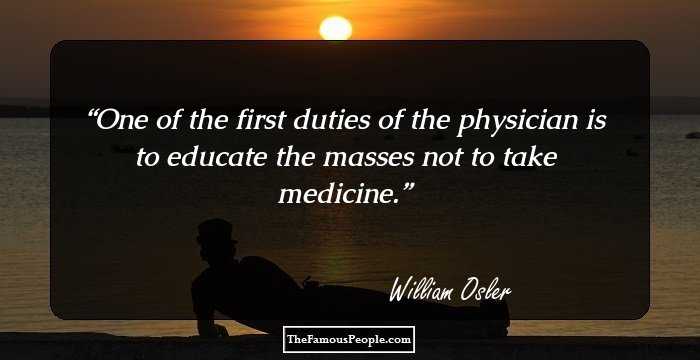
- Spirituality Science. Compassion cannot be recruited. Dr. William Osler, the Father of Modern Medicine emphasized the first duties of the physician in promoting good, and positive Health.
-


